
The Trump administration is moving to temporarily lower tariffs on beef imports, a direct response to retail beef prices that have climbed past $5 per pound. The plan targets tariff-rate quotas, the mechanism that limits how much foreign beef can enter the country at lower duty rates, and would open the door to greater volumes from major exporters like Australia and Brazil.
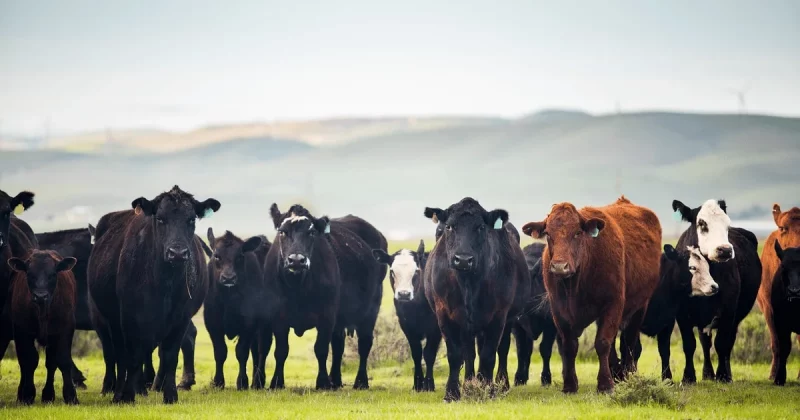
The US cattle herd has shrunk by roughly 5% over the past year. Combine that with adverse weather conditions and you get a supply crunch that has pushed beef prices to levels where consumers are feeling the squeeze at the grocery store.
What the plan actually looks like
The administration announced the tariff suspension plan on May 11, with implementation initially slated for May 13. By suspending tariff-rate quotas, more imported beef could flow into the US market at reduced prices. The expected result, according to agricultural economists, is a 10-15% increase in short-term beef supply. That additional supply could translate to a 5-7% drop in retail prices.
But the plan hit a wall almost immediately. Domestic cattle producers pushed back hard, arguing that a flood of cheaper foreign beef could devastate their operations. By May 12, just one day after the announcement, the administration had already postponed implementation.
Agricultural economist David Anderson characterized the approach bluntly.
“Band-aid for inflation.”
Anderson’s point is that the underlying supply chain issues, the shrinking herds, the weather disruptions, the structural constraints on domestic production, don’t get solved by letting more foreign beef cross the border.
The $100 billion tension
The US beef sector is valued at roughly $100 billion. Experts have warned that the influx of cheaper imports could lead to job losses within the domestic beef production chain.
The 5% decline in the cattle herd also isn’t something that reverses quickly. Rebuilding herd numbers takes years, not months. Cows have a roughly nine-month gestation period, and calves need time to reach market weight. So even if conditions improve, the domestic supply gap will persist well into the future.
What this means for investors
The postponement of the tariff suspension introduces uncertainty into agricultural commodity markets. Beef futures traders had briefly priced in the possibility of greater supply, but the reversal means the supply-constrained status quo likely persists in the near term. If the suspension eventually goes through, the projected 10-15% supply increase would likely push futures prices lower, creating potential short opportunities in cattle futures but also buying opportunities for downstream processors and retailers who benefit from cheaper inputs.