
Amid Ford’s shift away from making large electric vehicles, the automaker is adding a new product line to find a home for its batteries.
Ford said Monday that instead of scuttling plans to build the batteries for those vehicles, it will pivot that capacity into a new battery storage business. Those storage systems, which will use cheaper LFP batteries, will be used to power data centers and help buffer demand on the electric grid.
Ford says the battery storage systems will start shipping in 2027 and that the company plans to build 20GWh of annual capacity.
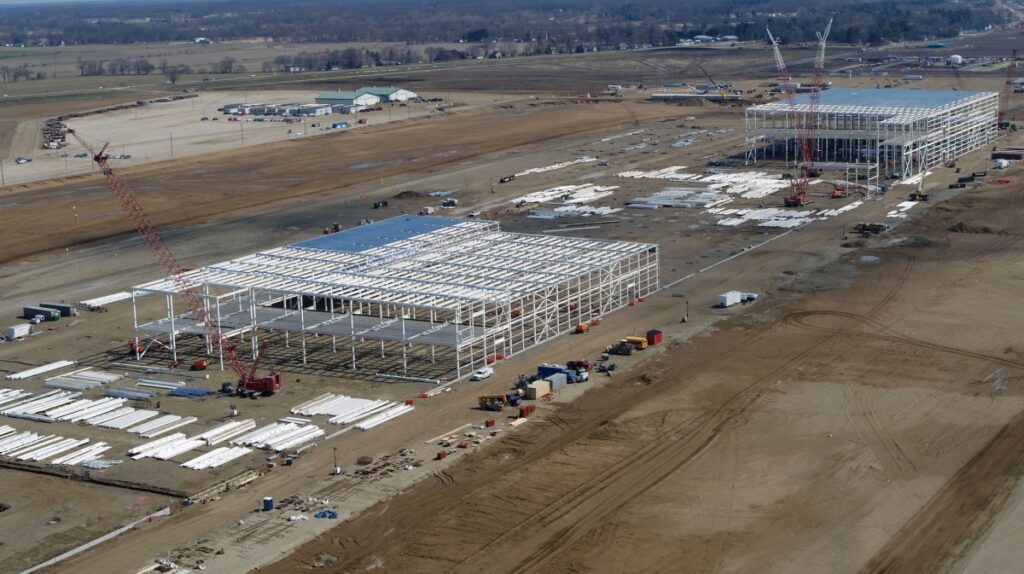
Ford will invest about $2 billion into the new business over the next two years. Under the plan, Ford will repurpose the existing manufacturing capacity at its Kentucky factory. Ford plans to produce lithium iron phosphate batteries using technology licensed from China’s CATL as well as battery energy storage system modules, and 20-foot DC container systems at this facility.
Ford will join a number of automakers who are operating in or planning to enter the battery storage space. Tesla has spent the last decade selling battery storage products and deploys around 10GWh every quarter. General Motors also has a set of home and commercial battery storage products.
Lisa Drake, vice president of technology platform programs and EV systems at Ford, said the “predominant” opportunity for the new business will be commercial grid customers. But data centers will be secondary, and then Ford expects to offer some home storage products, Drake said.
“It was clear when we went out to the market that the technology of choice for most of these customers was an LSP prismatic type of container system,” Drake said during a call with reporters. “And given the fact that we already had a license to build that technology in the U.S., you couple that with our manufacturing experience over a century of high scale manufacturing, it just made a lot of sense as a natural adjacency for us.”
Techcrunch event
San Francisco
|
October 13-15, 2026
Ford’s BlueOval Battery Park Michigan in Marshall, which is slated to begin production of LFP batteries in 2026, is still on track, the company said. Those LFP batteries, which also use CATL tech, will be used in Ford’s upcoming mid-sized electric truck. There will be one adjustment at the Michigan factory, however. Ford said it will also be used to make smaller Amp-hour cells for use in residential energy storage solutions.
The BlueOval Battery Park Michigan gone through several iterations in its abbreviated life. In February 2023, Ford said it would invest $3.5 billion to build the factory to make LFP batteries for its growing portfolio of electric vehicles. Ford abruptly halted construction on the factory in September 2023. Two months later, it announced a dialed back plan with a production capacity of 20 gigawatt-hours, about 43% smaller than planned.